
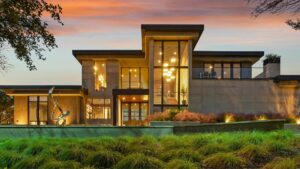
One of the biggest misconceptions about prefabricated homes is that they lack quality. Many assume the use of factory production means corners are cut. The reality is different. Prefab homes are built under controlled conditions where precision matters. Quality checks happen at each stage. This process helps ensure consistency, which is often harder to achieve on traditional construction sites. The result is a solid structure designed to last.
Prefab Means Temporary
Some think prefabricated homes are short-term solutions, similar to mobile homes or temporary shelters. That perception is outdated. Modern prefab homes are built to meet the same building codes as traditional properties. They use durable materials and advanced construction methods. With proper care, these homes can last for decades, offering stability and comfort for families. The idea of them being temporary is more myth than fact.
Prefab Houses Look the Same
Another false belief, according to uamr.de, is that prefab houses lack variety in design. People often picture identical box-shaped structures. In truth, the range of options is vast. Homeowners can choose layouts, finishes, and styles that reflect their taste. Modern technology allows for unique customization before the building process even starts. Prefab homes today look as diverse as traditional ones and sometimes even more creative.
Prefab Houses Lack Modern Features
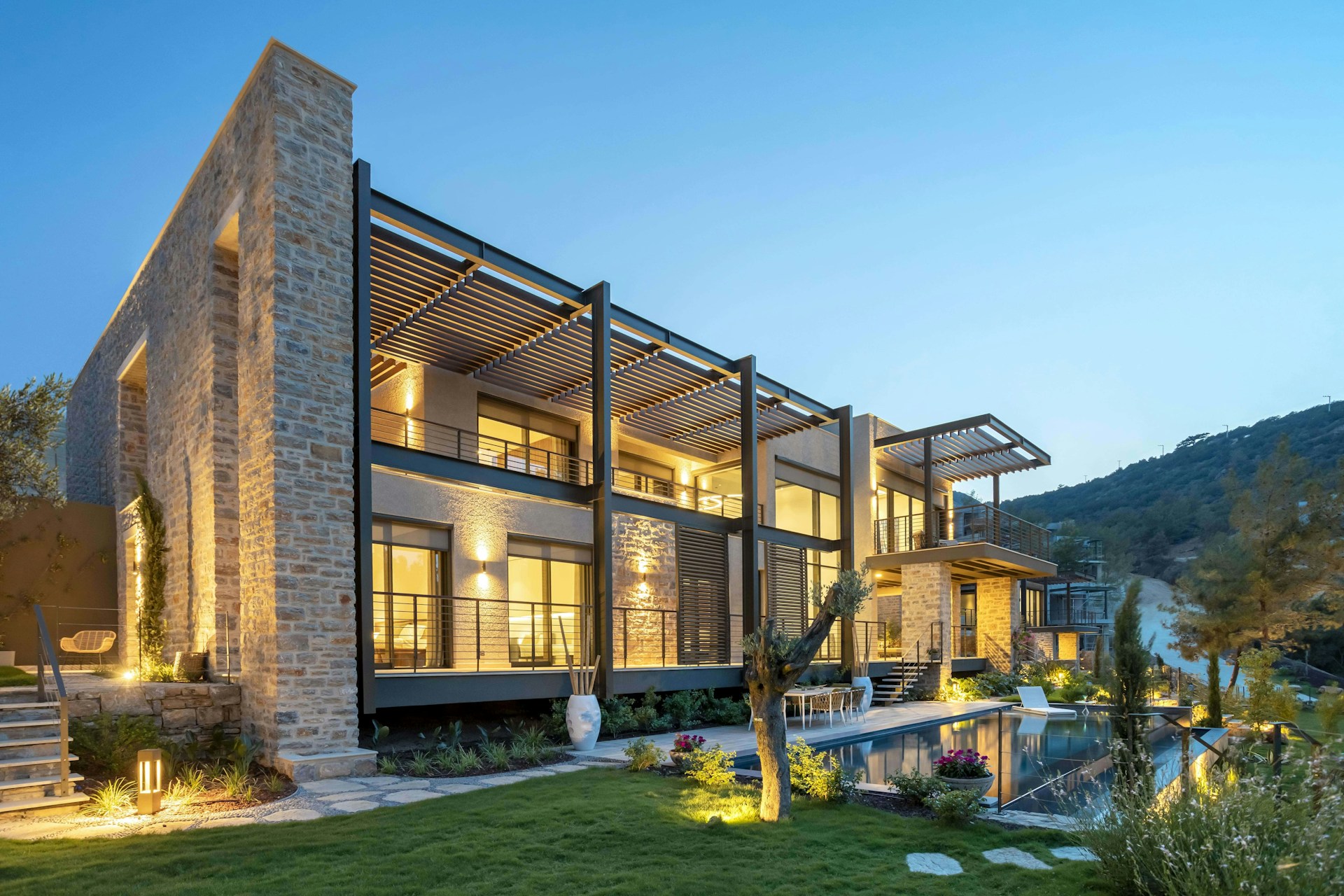
Some buyers worry that prefab homes do not keep up with current living standards. This assumption overlooks how advanced the industry has become. Smart home technology, energy-efficient systems, and eco-friendly designs are all available in prefab construction. In fact, factory-built homes often adopt new innovations faster. Controlled environments make integration smoother and more reliable. Prefab homes are now leaders in modern convenience.
Prefab Homes Are a Last Resort
Perhaps the most damaging misconception is that prefab living is for those with no other choice. In truth, many choose prefab for its efficiency, speed, and sustainability. Architects and designers are pushing creative boundaries in this sector. The homes are now seen as forward-thinking solutions rather than compromises. With options for luxury finishes and flexible layouts, prefab is no longer a fallback but a first choice. For some, it represents the utmost balance between cost, quality, and style.
Limited in Location
It is common to hear that prefab houses can only be placed in certain areas. This belief limits the way people see their potential. In reality, prefabricated structures can be adapted to urban, suburban, and even rural sites. As long as zoning rules allow, the home can be installed almost anywhere. Proper planning and coordination with local authorities make this possible. Prefab living is not restricted to specific landscapes.
Resale Value Is Low
Some people believe that prefab homes do not hold their value over time. This is not accurate when quality construction and good maintenance are present. Market trends show that resale value depends more on location, upkeep, and design than on the method of construction. Prefab homes built with care and placed in desirable areas appreciate just like conventional houses. Buyers and investors are starting to recognize this reality.
Financing Is Difficult
Another misconception is that banks and lenders hesitate to finance prefab homes. This may have been true decades ago when the market was less established. Today, financing options are widely available. Lenders treat these homes much like traditional houses, provided they meet local building codes. Buyers can access mortgages and insurance without unusual restrictions. This shift has made prefab ownership far more accessible.
Prefabricated homes have long faced myths that paint them as cheap, plain, or temporary. The truth tells a different story. These houses are durable, stylish, and adaptable to a wide range of lifestyles. They support modern living with smart features and sustainable options. Financing and resale markets now treat them as equals to traditional builds. Misconceptions fade as more homeowners experience their benefits firsthand. Prefab homes are not a second-tier option. They are a modern, unique, and reliable path to homeownership.…