Why Conversation Pits Still Inspire Contemporary Interiors

conversation

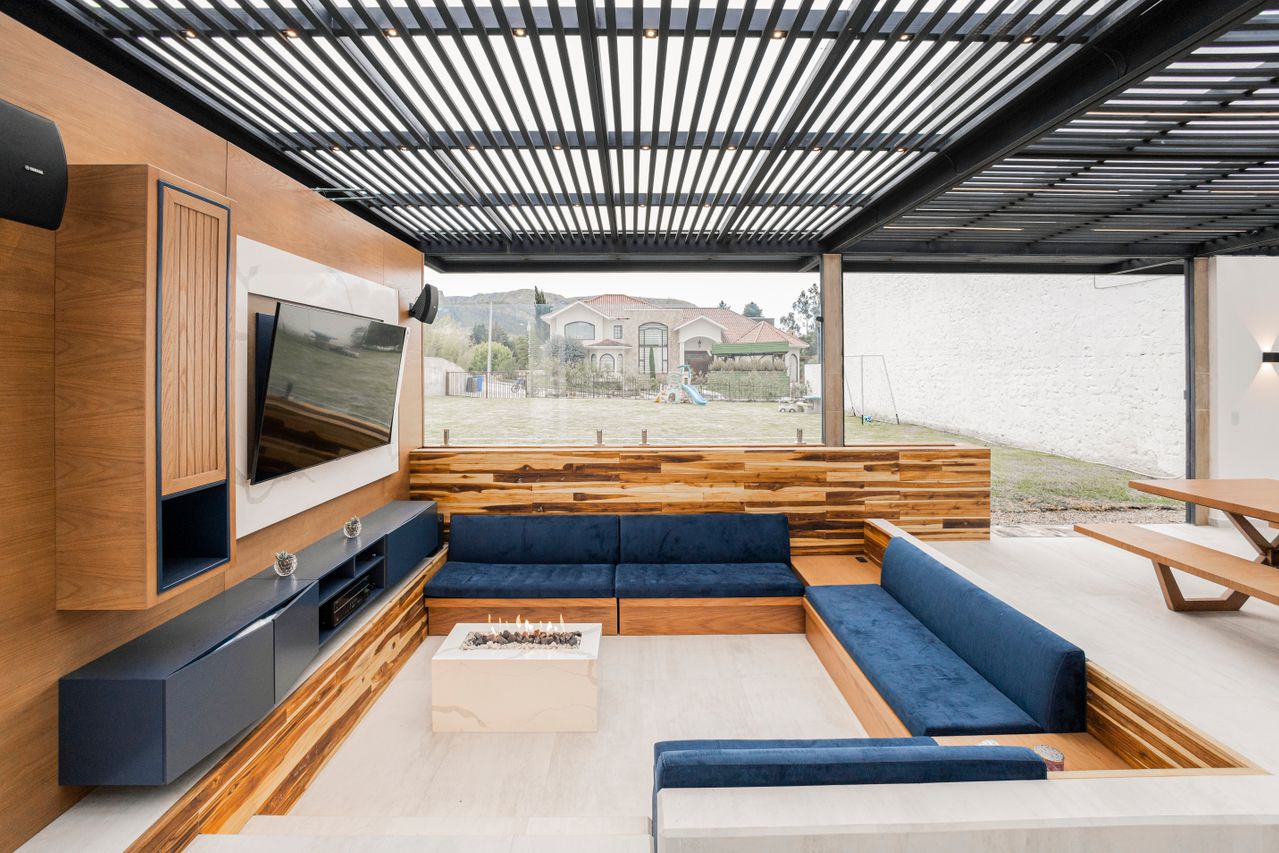
Conversation pits may have originated as a distinctive design feature of past decades, but they continue to influence contemporary interiors through their emphasis on comfort and social interaction. By creating a slightly recessed seating area, they establish a natural gathering place that feels both intimate and visually connected to the surrounding space. This is very popular especially in prefabricated houses. Promipool outlines how prefabricated houses with garage becomes a clever lifestyle statement. While conversation pits can define a room without relying on walls while encouraging relaxed communication and shared experiences. Exploring their lasting appeal reveals why conversation pits continue to inspire innovative interior layouts in today’s homes.

How Sunken Seating Creates a Sense of Connection

A conversation pit brings people closer together by arranging seating around a shared central space. Because the seating is positioned at a lower level, occupants naturally face one another, making conversation feel more direct and engaging. The recessed design also creates a subtle sense of enclosure without separating the area from the rest of the room. This balance allows the space to feel connected to the surrounding interior while maintaining its own distinct identity.
sofa

The Relationship Between Open Layouts and Defined Spaces

One reason conversation pits continue to influence contemporary design is their ability to define different functional areas within an open floor plan. Instead of relying on walls or partitions, the change in floor level establishes a clear boundary between the seating area and the surrounding space. This creates visual organization while preserving the openness that many modern homes seek. The result is a layout in which different activities can occur in separate zones without disrupting the overall flow of the interior.

How Conversation Pits Influence Spatial Perception

A recessed seating area changes how people experience a room’s proportions. The lowered floor introduces height variation, creating greater visual depth and making the surrounding ceiling appear higher. This contrast can make large interiors feel more dynamic by introducing different levels within the same space. Rather than viewing the room as one continuous surface, occupants experience a sequence of connected areas with distinct spatial qualities.

Why Conversation Pits Encourage Social Interaction

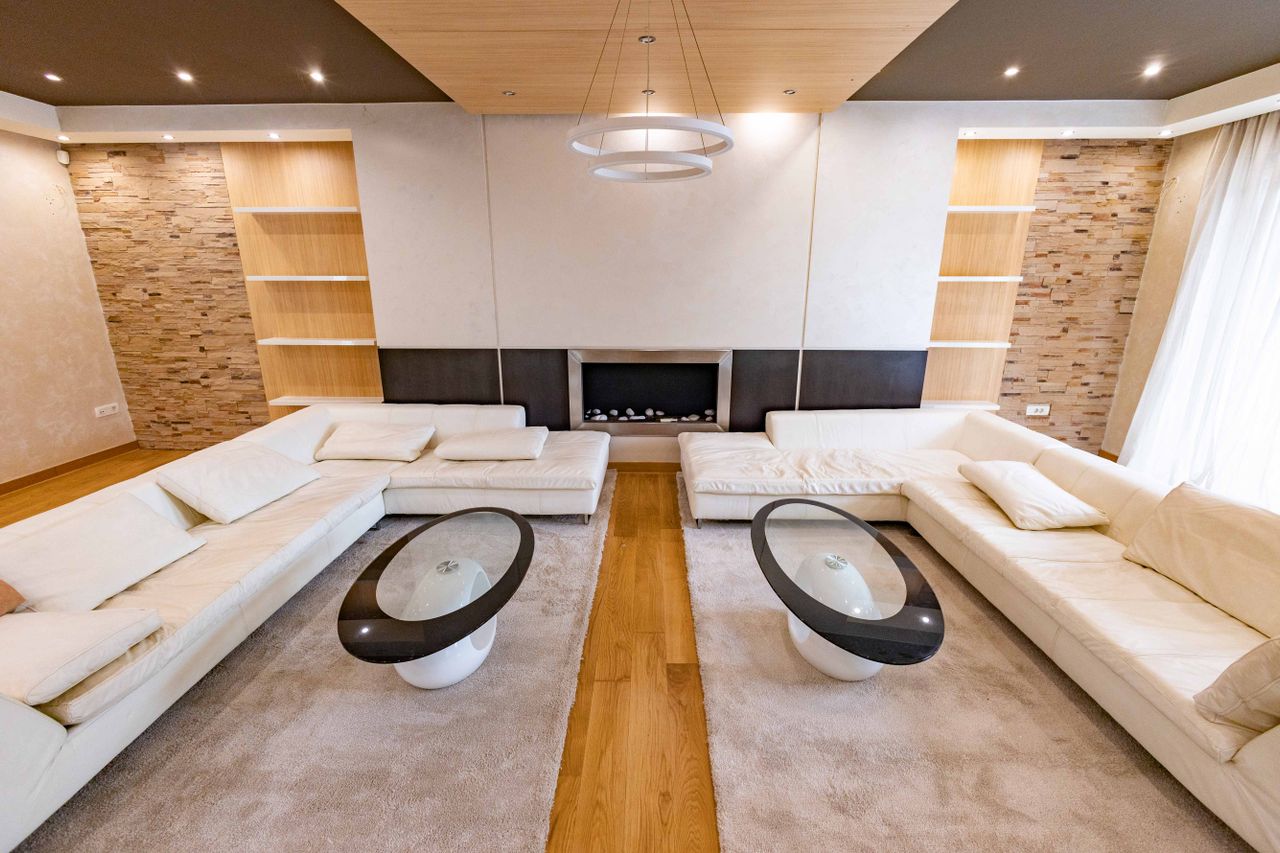
The arrangement of a conversation pit naturally supports gathering and communication. Seating positioned around a shared center encourages eye contact and creates an environment where participants are equally engaged in the space. Unlike furniture arranged in long rows or directed toward a single feature, this layout emphasizes interaction between people. The design therefore reflects the original purpose of conversation pits by making social connection a central aspect of the room’s organization.
sofa

The Lasting Influence on Contemporary Design

Even in homes without recessed seating, many contemporary interiors reflect the principles introduced by conversation pits. Designers continue to create defined gathering areas through furniture placement, changes in floor level, lighting, and material selection. The emphasis on creating comfortable social spaces within open layouts remains highly relevant as homes increasingly accommodate both family life and entertaining. These ideas demonstrate that the lasting appeal of conversation pits lies not only in their appearance but also in the spatial relationships they encourage.

Conversation pits still inspire contemporary interiors because they combine openness with intimacy, creating spaces that encourage interaction while maintaining visual continuity throughout the home. Their recessed design influences spatial perception, defines social areas within open layouts, and supports natural conversation through thoughtful seating arrangements. Although the feature itself is less common today, its underlying design principles continue to shape modern residential interiors. This lasting influence highlights how architectural ideas can remain relevant by responding to fundamental patterns of human interaction and the desire for comfortable shared spaces.…
Read More

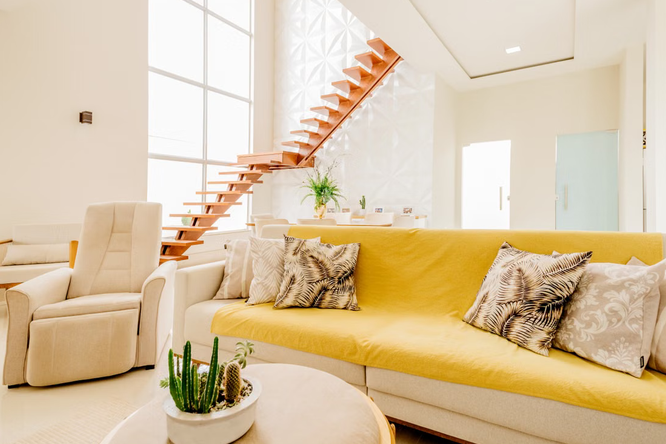
How Staircase Placement Affects Overall Home Functionality

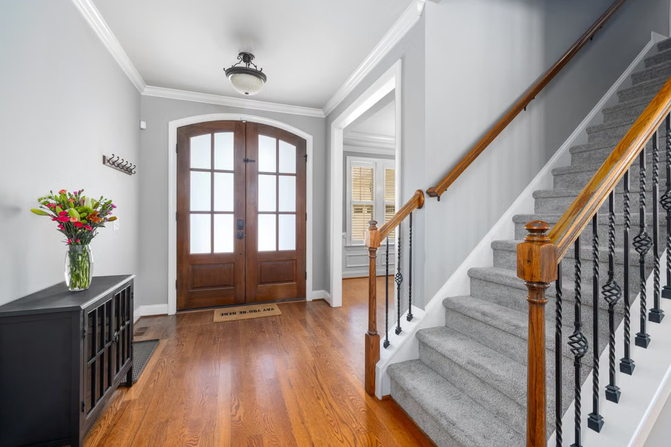
A staircase connects different levels of a home, but its role extends far beyond moving people between floors. Where a staircase is positioned influences how residents move through the house, how rooms are organized, and how efficiently available space is used. A thoughtfully planned staircase can improve comfort, circulation, privacy, and even the visual balance of the interior. On the other hand, poor placement may interrupt daily routines or reduce the usefulness of nearby rooms. Because staircases remain permanent structural features, their location deserves careful attention during the design stage. Understanding how staircase placement affects overall home functionality helps homeowners appreciate why this design decision has a lasting impact on everyday living. For more information, visit deavita.com.

Improving Interior Movement

One of the primary purposes of a staircase is to support smooth movement throughout the home. Its location determines how easily family members can reach different areas without taking unnecessary paths. A centrally positioned staircase often allows quicker access between floors while reducing travel distances inside the home. Residents can move efficiently from bedrooms to living spaces or from the garage to upper levels. When circulation flows naturally, daily routines become more convenient. Proper staircase placement also minimizes bottlenecks by keeping major walking routes open and organized. Good interior movement contributes to a home that feels comfortable and practical every day.

Supporting Room Organization

The location of a staircase influences how surrounding rooms are arranged. Since it occupies valuable floor space, designers carefully consider its relationship with nearby living areas. Positioning the staircase thoughtfully allows kitchens, dining rooms, living rooms, and bedrooms to function without awkward interruptions. Public areas remain connected while private spaces stay separated when appropriate. Well-planned layouts create logical transitions from one room to another without making the staircase feel like an obstacle. This organization helps every part of the home serve its intended purpose while maintaining a balanced floor plan.

Preserving Privacy

Modern homes often balance shared family areas with quieter private spaces. Staircase placement plays an important role in supporting this balance. When the staircase is located near common living areas, family members and guests can move between floors without passing directly through private rooms. Bedrooms remain more secluded while visitors enjoy convenient access to public spaces. This separation helps maintain privacy without limiting overall accessibility. Families often appreciate layouts that allow daily activities to continue smoothly while protecting personal areas from unnecessary foot traffic.

Maximizing Available Space

Every square foot matters when designing a home. Because staircases require structural support and clearance, their placement directly affects usable floor area. Modern residential design often integrates storage beneath staircases or positions them to reduce wasted space. Hallways can remain shorter, and nearby rooms can become more functional through efficient planning. A carefully positioned staircase allows furniture placement to remain flexible while preserving open living areas. Maximizing available space improves both comfort and long-term usability, particularly in homes where efficient layouts are a priority.

Enhancing Natural Light

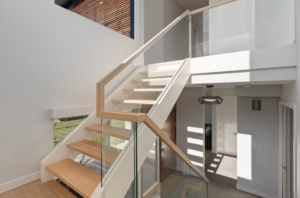
Natural light contributes significantly to the atmosphere of a home. Staircase placement can either support or limit how sunlight moves through interior spaces. Open staircases located near windows often allow daylight to spread between multiple levels. This arrangement brightens surrounding hallways and common areas without relying heavily on artificial lighting during the day. Glass railings or open risers may further encourage light to travel throughout the interior. Better light distribution creates welcoming living spaces while making the home feel larger and more connected.

Preparing for Future Living

A home’s layout should remain practical as family needs change over time. Staircase placement influences how easily the property adapts to different stages of life. Families with young children, aging parents, or changing household sizes may benefit from layouts that provide safe and convenient access between floors. Staircases located near main entrances or central living areas often improve long-term accessibility while simplifying future renovations if modifications become necessary. Designing with future needs in mind helps homeowners enjoy greater flexibility without requiring significant structural changes later.

Staircase placement affects overall home functionality by improving interior movement, supporting room organization, preserving privacy, maximizing available space, enhancing natural light, and preparing homes for future living needs. Although staircases occupy a relatively small portion of the overall floor plan, their influence extends throughout the entire house. Understanding how staircase placement affects overall home functionality demonstrates that successful residential design depends on careful planning of every structural element. A thoughtfully positioned staircase improves convenience, comfort, and efficiency while supporting the home’s long-term usability. By considering circulation, layout, lighting, and future needs during the design process, homeowners create living spaces that remain functional and enjoyable for many years.

 …

Read More

How Remote Temperature Control Boosts Comfort and Cuts Bills

temperature

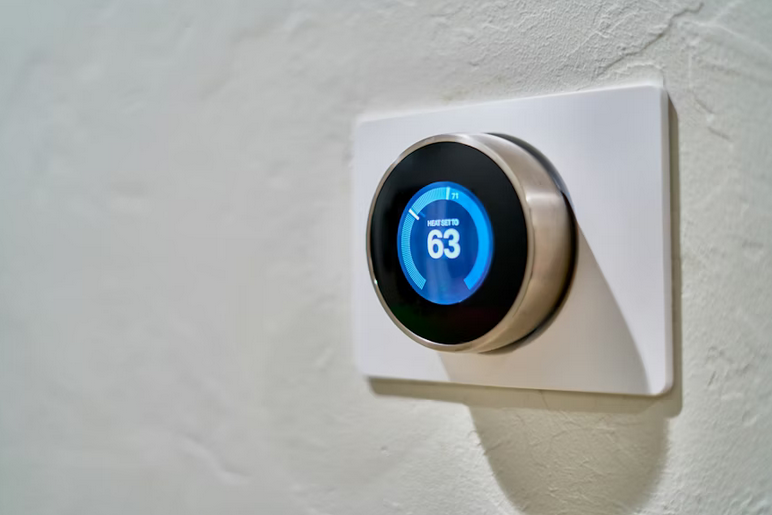
Managing home temperature has always been a balancing act. Too hot in the summer, too cold in the winter, and energy bills can quickly spiral. For renters and homeowners alike, comfort and cost efficiency are top priorities, but traditional thermostats often make it hard to achieve both. That’s where remote temperature control systems come in. These smart devices allow precise climate management from anywhere, creating a more comfortable environment while also reducing energy consumption.

The Basics of Remote Temperature Control

Remote temperature control systems work through Wi-Fi-connected thermostats that communicate with your heating and cooling units. Users can set schedules, adjust temperatures on the go, and monitor energy use through smartphone apps. Unlike conventional thermostats, these devices learn habits over time, optimizing energy usage without constant manual input. This combination of convenience and intelligence is appealing for modern households, especially those juggling work-from-home schedules or variable daily routines.

Easy Installation With Professional Support

Upgrading to a remote temperature control system may require some electrical work, depending on the existing setup. Property owners often call a qualified Sydney electrician to ensure proper installation and compliance with local safety standards. Professional installation not only ensures the system works efficiently from day one but also reduces the risk of malfunctions that could increase energy costs or cause inconvenience. With the right setup, these systems become a seamless part of home management.

Energy Savings That Add up

One of the biggest benefits of remote temperature control is its impact on energy bills. By automatically adjusting heating or cooling based on occupancy and usage patterns, smart thermostats prevent unnecessary energy consumption. For example, units can lower heating during the day when the home is empty or pre-cool rooms shortly before arrival. Studies show that homes with remote-controlled thermostats can save up to 15% on annual energy costs, making these devices a cost-effective upgrade for property owners and tenants alike.

Comfort on Your Schedule

adjusting temperature

Remote temperature control doesn’t just save money—it enhances comfort. Tenants can adjust temperatures while commuting, returning to a warm home on winter evenings, or a cool space during hot summer days. Even minor adjustments improve overall comfort without the need to constantly touch the thermostat. For households with multiple zones or shared spaces, remote control provides individualized settings that satisfy everyone’s preferences without driving up costs.

Integration With Smart Home Devices

Modern remote temperature systems often integrate with other smart home technology. They can communicate with smart lighting, security systems, or voice assistants to create fully automated living environments. For example, some systems automatically lower temperatures when doors or windows are opened, or adjust heating schedules based on detected occupancy. This interconnected approach maximizes efficiency while providing a smoother, more convenient tenant experience.

The Environmental Advantage

Beyond comfort and cost savings, remote temperature control contributes to energy efficiency on a larger scale. Reduced energy consumption lowers carbon footprints and supports sustainable living initiatives. For rental properties, demonstrating a commitment to eco-friendly solutions can make the property more attractive to environmentally conscious tenants, adding value while promoting responsible energy usage.

Preventative Maintenance and Alerts

blue thermostat

Many remote temperature systems include maintenance alerts that notify property owners when filters need changing or when the system requires service. These alerts prevent small issues from turning into expensive repairs. By acting proactively, homeowners can extend the life of HVAC units, reduce emergency service calls, and maintain consistent comfort levels. Tenants benefit too, enjoying a home that functions reliably without interruption.

Remote temperature control systems are more than a modern convenience—they are a practical investment in comfort, savings, and sustainability. By allowing precise, automated management of heating and cooling, they help homeowners and tenants enjoy optimal living conditions while reducing energy bills. With professional installation and smart integration, these systems provide long-term benefits for property management, energy efficiency, and tenant satisfaction, making them a smart addition to any modern home.…

Read More