

Conversation pits may have originated as a distinctive design feature of past decades, but they continue to influence contemporary interiors through their emphasis on comfort and social interaction. By creating a slightly recessed seating area, they establish a natural gathering place that feels both intimate and visually connected to the surrounding space. This is very popular especially in prefabricated houses. Promipool outlines how prefabricated houses with garage becomes a clever lifestyle statement. While conversation pits can define a room without relying on walls while encouraging relaxed communication and shared experiences. Exploring their lasting appeal reveals why conversation pits continue to inspire innovative interior layouts in today’s homes.
How Sunken Seating Creates a Sense of Connection
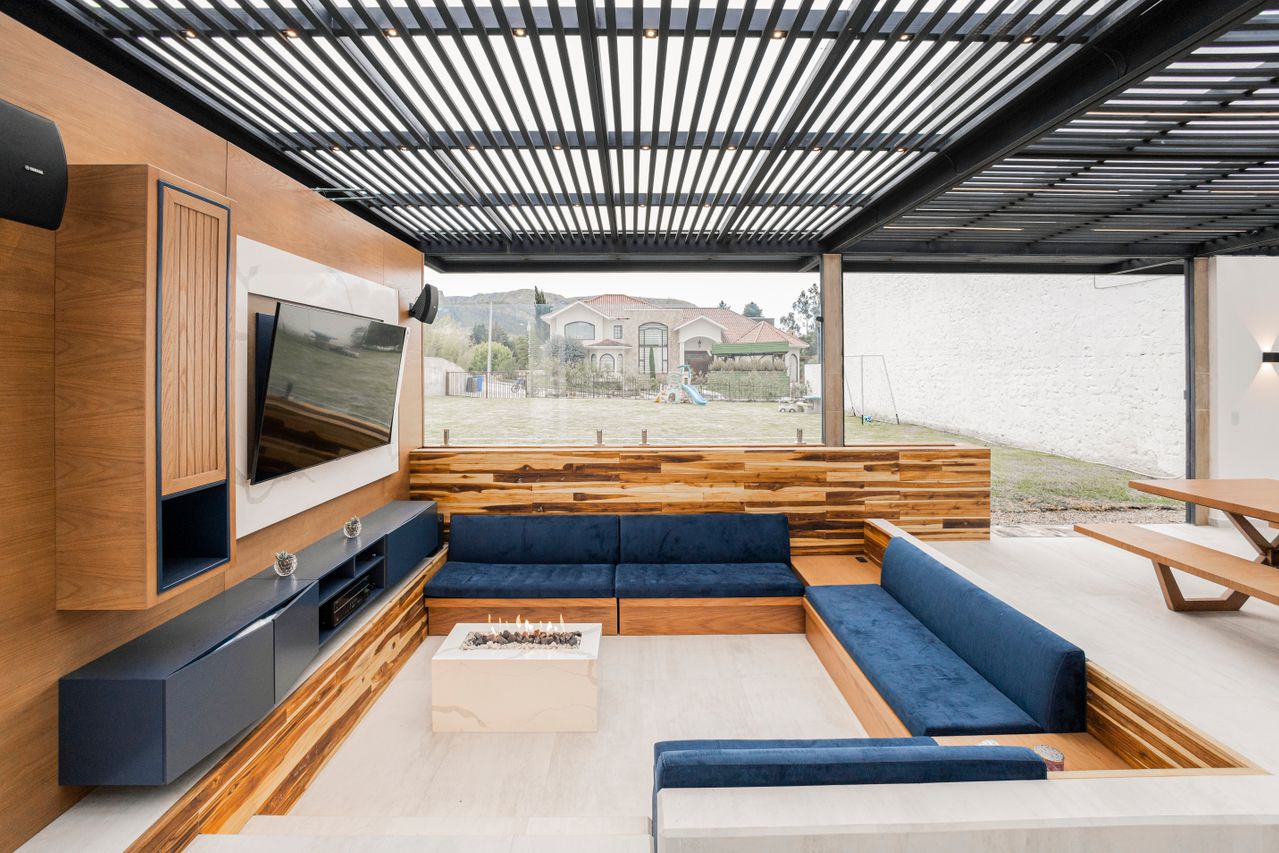
A conversation pit brings people closer together by arranging seating around a shared central space. Because the seating is positioned at a lower level, occupants naturally face one another, making conversation feel more direct and engaging. The recessed design also creates a subtle sense of enclosure without separating the area from the rest of the room. This balance allows the space to feel connected to the surrounding interior while maintaining its own distinct identity.
The Relationship Between Open Layouts and Defined Spaces
One reason conversation pits continue to influence contemporary design is their ability to define different functional areas within an open floor plan. Instead of relying on walls or partitions, the change in floor level establishes a clear boundary between the seating area and the surrounding space. This creates visual organization while preserving the openness that many modern homes seek. The result is a layout in which different activities can occur in separate zones without disrupting the overall flow of the interior.
How Conversation Pits Influence Spatial Perception
A recessed seating area changes how people experience a room’s proportions. The lowered floor introduces height variation, creating greater visual depth and making the surrounding ceiling appear higher. This contrast can make large interiors feel more dynamic by introducing different levels within the same space. Rather than viewing the room as one continuous surface, occupants experience a sequence of connected areas with distinct spatial qualities.
Why Conversation Pits Encourage Social Interaction
The arrangement of a conversation pit naturally supports gathering and communication. Seating positioned around a shared center encourages eye contact and creates an environment where participants are equally engaged in the space. Unlike furniture arranged in long rows or directed toward a single feature, this layout emphasizes interaction between people. The design therefore reflects the original purpose of conversation pits by making social connection a central aspect of the room’s organization.
The Lasting Influence on Contemporary Design
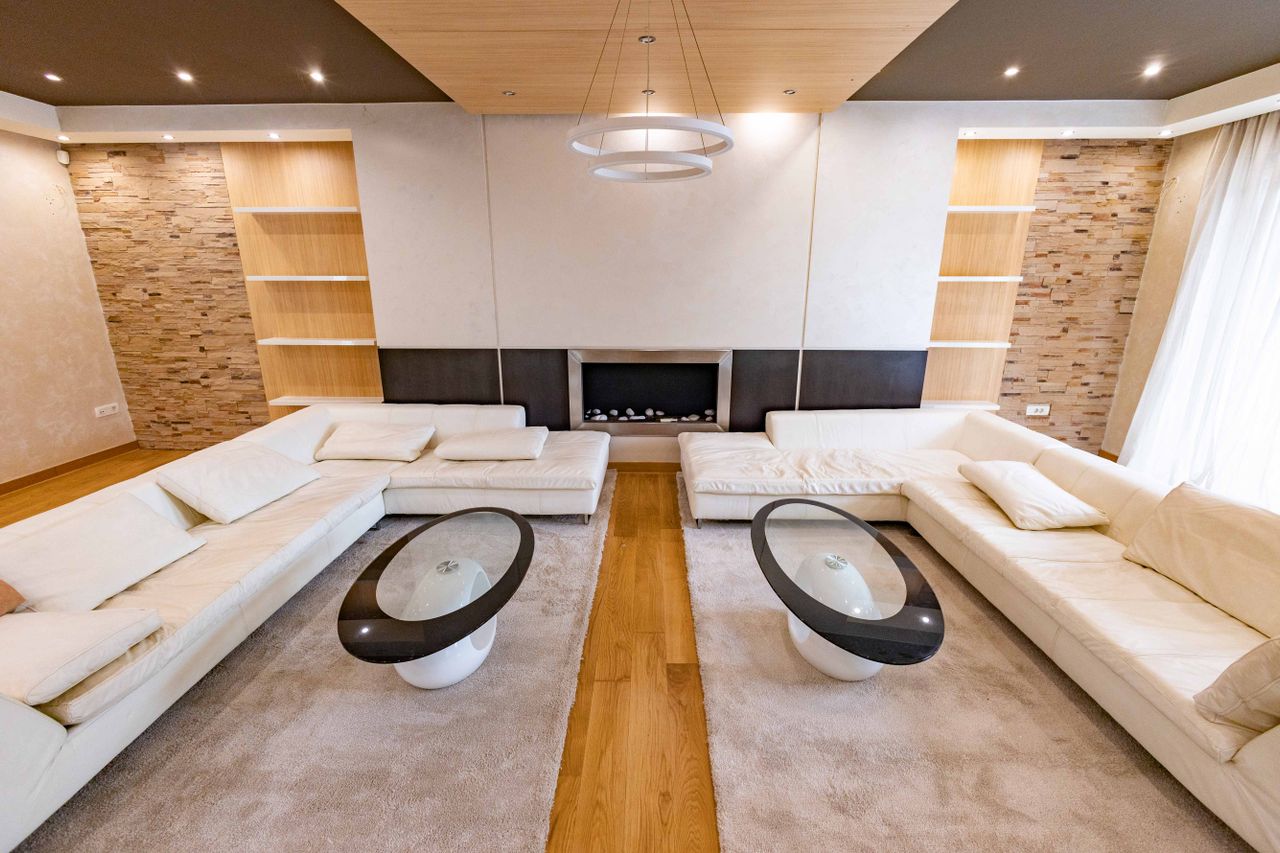
Even in homes without recessed seating, many contemporary interiors reflect the principles introduced by conversation pits. Designers continue to create defined gathering areas through furniture placement, changes in floor level, lighting, and material selection. The emphasis on creating comfortable social spaces within open layouts remains highly relevant as homes increasingly accommodate both family life and entertaining. These ideas demonstrate that the lasting appeal of conversation pits lies not only in their appearance but also in the spatial relationships they encourage.
Conversation pits still inspire contemporary interiors because they combine openness with intimacy, creating spaces that encourage interaction while maintaining visual continuity throughout the home. Their recessed design influences spatial perception, defines social areas within open layouts, and supports natural conversation through thoughtful seating arrangements. Although the feature itself is less common today, its underlying design principles continue to shape modern residential interiors. This lasting influence highlights how architectural ideas can remain relevant by responding to fundamental patterns of human interaction and the desire for comfortable shared spaces.…