
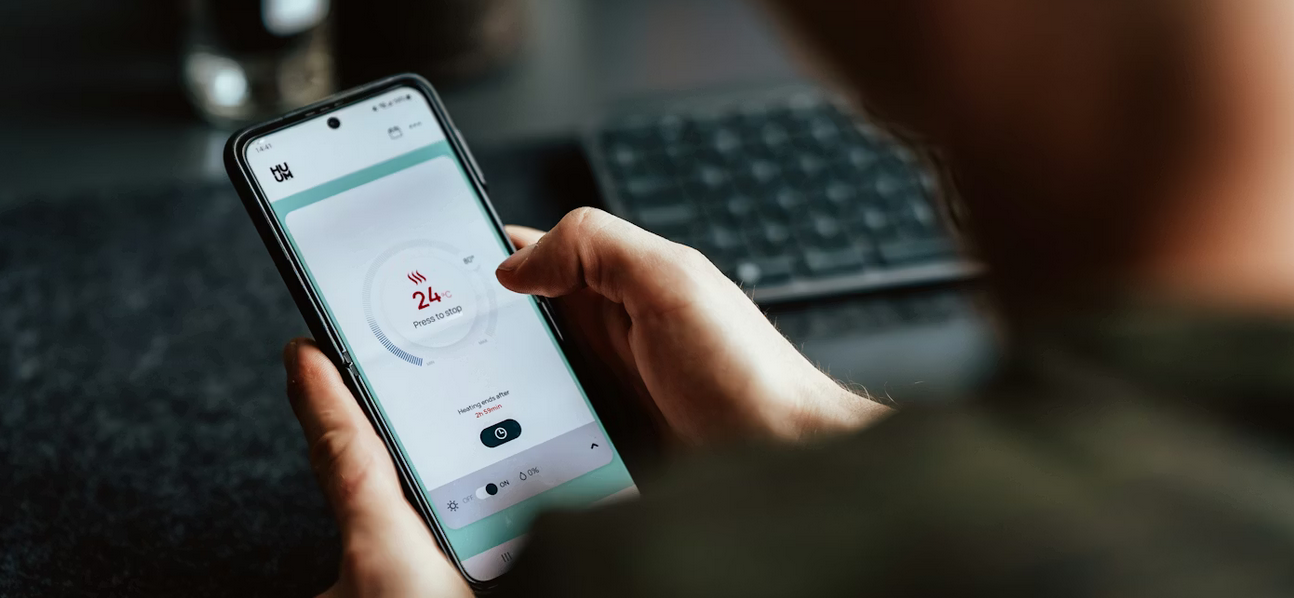
Managing home temperature has always been a balancing act. Too hot in the summer, too cold in the winter, and energy bills can quickly spiral. For renters and homeowners alike, comfort and cost efficiency are top priorities, but traditional thermostats often make it hard to achieve both. That’s where remote temperature control systems come in. These smart devices allow precise climate management from anywhere, creating a more comfortable environment while also reducing energy consumption.
The Basics of Remote Temperature Control
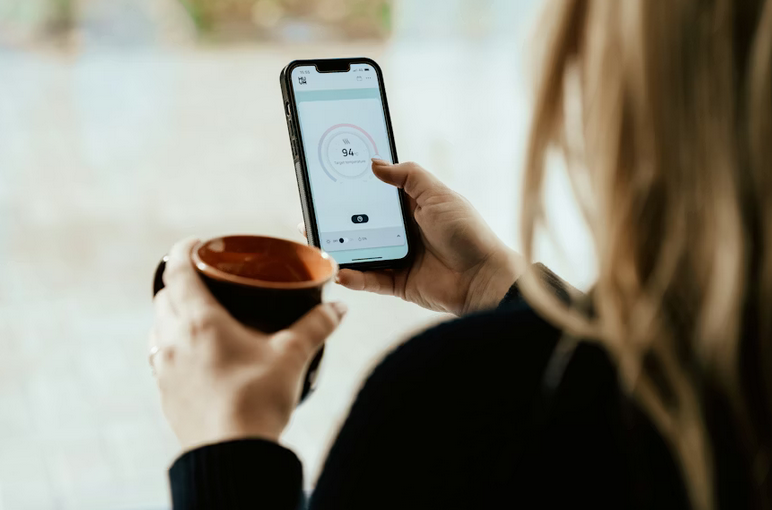
Remote temperature control systems work through Wi-Fi-connected thermostats that communicate with your heating and cooling units. Users can set schedules, adjust temperatures on the go, and monitor energy use through smartphone apps. Unlike conventional thermostats, these devices learn habits over time, optimizing energy usage without constant manual input. This combination of convenience and intelligence is appealing for modern households, especially those juggling work-from-home schedules or variable daily routines.
Easy Installation With Professional Support
Upgrading to a remote temperature control system may require some electrical work, depending on the existing setup. Property owners often call a qualified Sydney electrician to ensure proper installation and compliance with local safety standards. Professional installation not only ensures the system works efficiently from day one but also reduces the risk of malfunctions that could increase energy costs or cause inconvenience. With the right setup, these systems become a seamless part of home management.
Energy Savings That Add up
One of the biggest benefits of remote temperature control is its impact on energy bills. By automatically adjusting heating or cooling based on occupancy and usage patterns, smart thermostats prevent unnecessary energy consumption. For example, units can lower heating during the day when the home is empty or pre-cool rooms shortly before arrival. Studies show that homes with remote-controlled thermostats can save up to 15% on annual energy costs, making these devices a cost-effective upgrade for property owners and tenants alike.
Comfort on Your Schedule
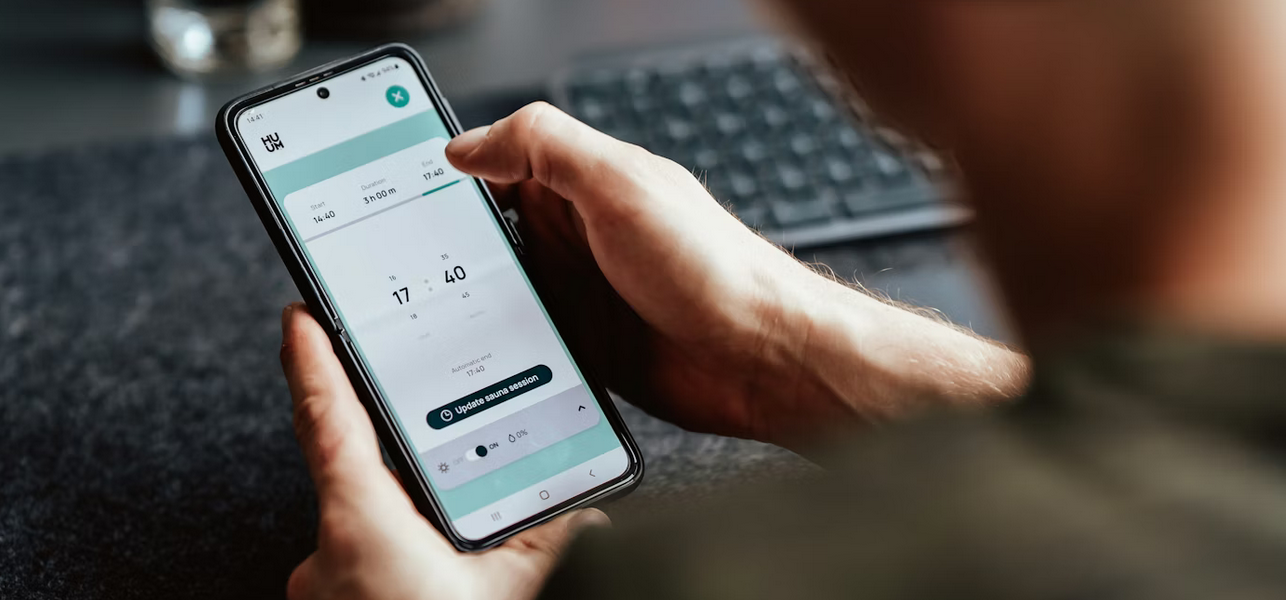
Remote temperature control doesn’t just save money—it enhances comfort. Tenants can adjust temperatures while commuting, returning to a warm home on winter evenings, or a cool space during hot summer days. Even minor adjustments improve overall comfort without the need to constantly touch the thermostat. For households with multiple zones or shared spaces, remote control provides individualized settings that satisfy everyone’s preferences without driving up costs.
Integration With Smart Home Devices
Modern remote temperature systems often integrate with other smart home technology. They can communicate with smart lighting, security systems, or voice assistants to create fully automated living environments. For example, some systems automatically lower temperatures when doors or windows are opened, or adjust heating schedules based on detected occupancy. This interconnected approach maximizes efficiency while providing a smoother, more convenient tenant experience.
The Environmental Advantage
Beyond comfort and cost savings, remote temperature control contributes to energy efficiency on a larger scale. Reduced energy consumption lowers carbon footprints and supports sustainable living initiatives. For rental properties, demonstrating a commitment to eco-friendly solutions can make the property more attractive to environmentally conscious tenants, adding value while promoting responsible energy usage.
Preventative Maintenance and Alerts
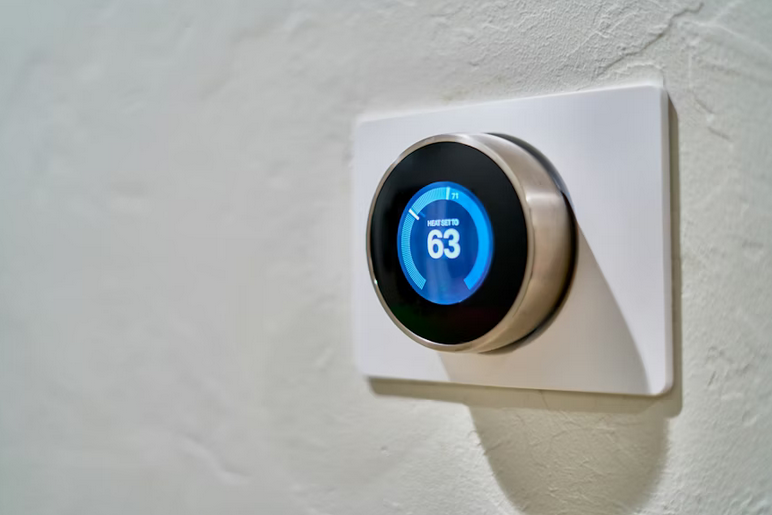
Many remote temperature systems include maintenance alerts that notify property owners when filters need changing or when the system requires service. These alerts prevent small issues from turning into expensive repairs. By acting proactively, homeowners can extend the life of HVAC units, reduce emergency service calls, and maintain consistent comfort levels. Tenants benefit too, enjoying a home that functions reliably without interruption.
Remote temperature control systems are more than a modern convenience—they are a practical investment in comfort, savings, and sustainability. By allowing precise, automated management of heating and cooling, they help homeowners and tenants enjoy optimal living conditions while reducing energy bills. With professional installation and smart integration, these systems provide long-term benefits for property management, energy efficiency, and tenant satisfaction, making them a smart addition to any modern home.